Pages load faster, render truer and gain a dozen modern web features, each one checked against the reference browser
This is the biggest engine release so far. A CSS framework's docs load in 2 seconds instead of 30, a developer-docs site runs its scripts three times faster, a code-hosting site parses half as much code per visit and a news site no longer gets stuck waiting on a request that never ends. Japanese and Chinese sites that use older text encodings now show real text instead of garbled symbols, every one of the 148 named CSS colours paints (a third of them were missing), and text inside embedded frames uses the same fonts as the page. Underneath, web components get a real shadow DOM, stylesheets you can build in code, safe HTML insertion with the new Sanitizer, and typed CSS values. Each new feature is compared with the reference browser answer by answer, and the safety-critical ones are also proven by laws that run thousands of generated cases on every build.
Every CSS colour name paints
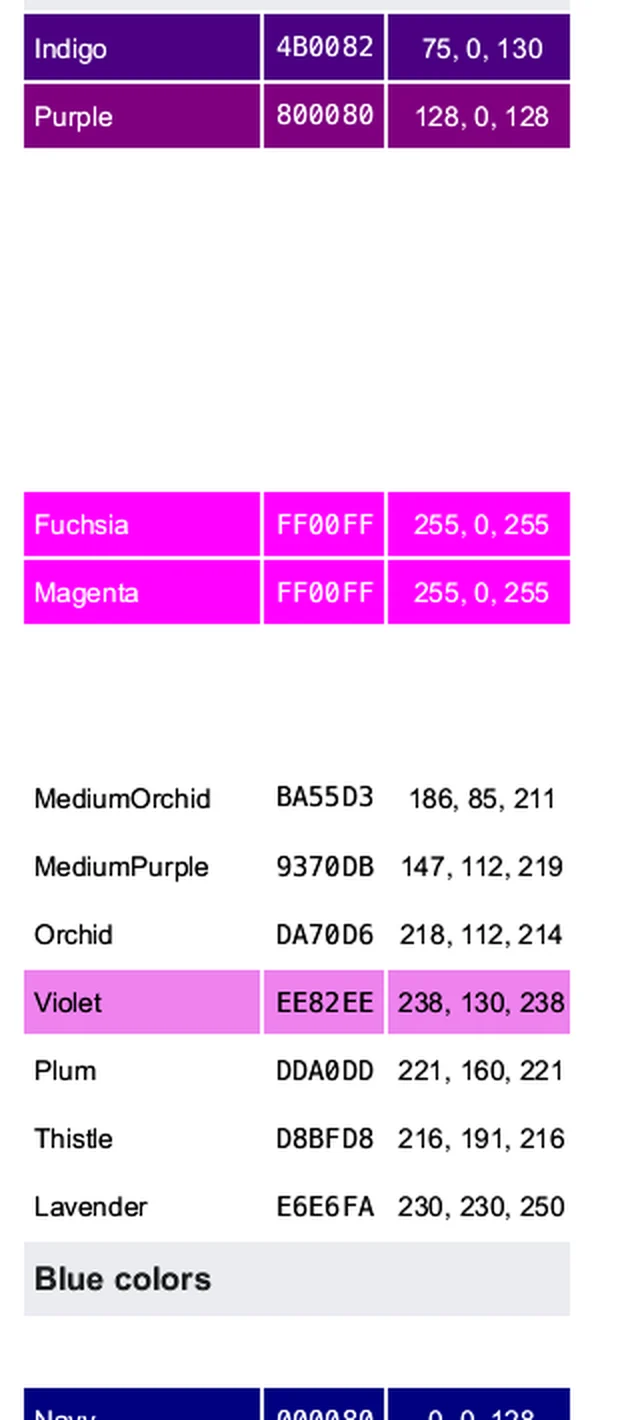
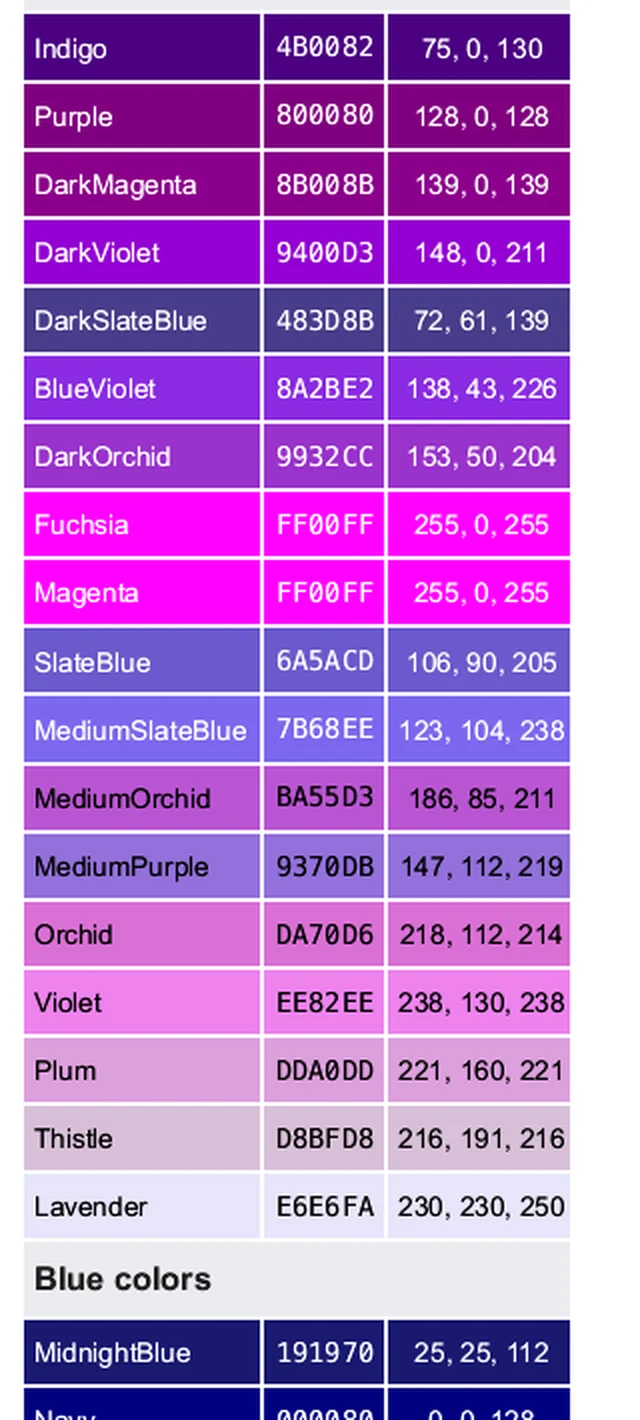
CSS defines 148 colour names, from aliceblue to yellowgreen. Floati knew 48 of them, so a table cell or a button coloured with darkmagenta or papayawhip came out white. All 148 now paint, with exactly the reference browser's values, and the same table is used everywhere the engine reads a colour: pages, SVG and canvas.
Japanese and Chinese sites read correctly
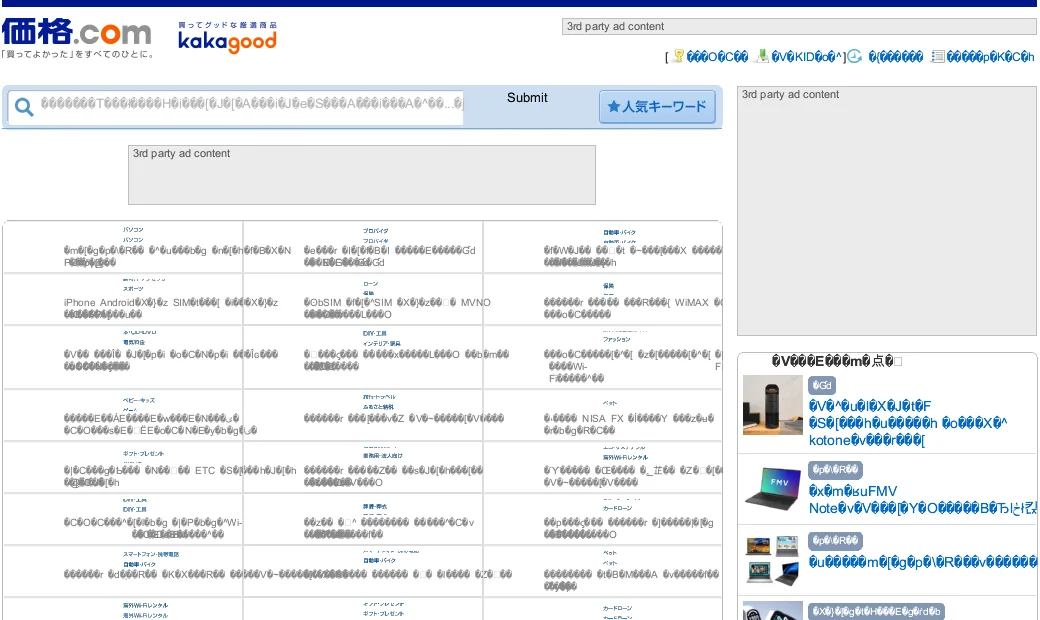
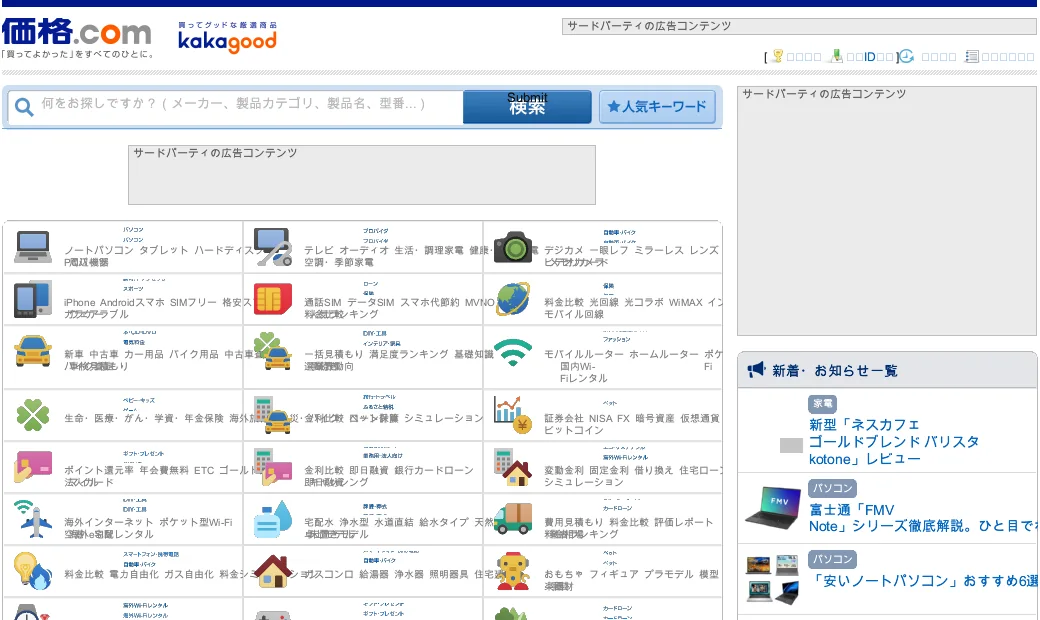
Many Japanese, Chinese and Korean sites still send their pages in older encodings such as Shift_JIS, GBK and Big5. Floati read them as if they were UTF-8 and showed garbled symbols. It now decodes every encoding the web standard lists, written from the standard's own tables: a Japanese price-comparison site shows its menus and products, and a Japanese travel site, which used to crash, renders.
Faster where it counts
Promise work no longer runs ahead of the page's own scripts, each script is parsed once instead of twice, and the CSS engine stops re-reading the same stylesheets every time a component appears. Speed is measured the same way for every change: real pages, loaded many times by the old and new build side by side, with every network response recorded once and replayed so both builds see the same bytes.
Fonts in embedded frames
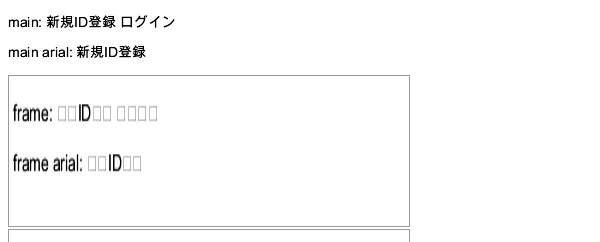
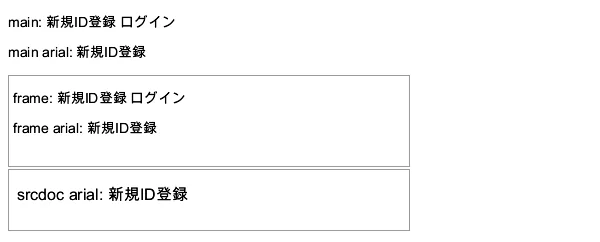
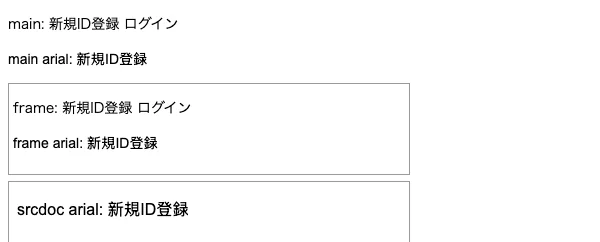
Text inside an iframe used a fallback font list without Japanese or Chinese glyphs, so it showed empty boxes while the same words outside the frame were fine. Frames now get the page's fonts, and a frame sized with CSS gets that size.
Safe HTML, proven
The new Sanitizer API lets a page insert HTML from anywhere without letting scripts in. Beyond matching the reference browser on all 61 checks, Floati proves the guarantee: every build generates two thousand pieces of hostile markup (script tags, event handlers, disguised javascript: links, tricks that only turn dangerous when re-read) and checks that nothing that can run survives, even with every element allowed. Building it uncovered and fixed two HTML parsing bugs that affected ordinary pages too.
Colours you can compute with
Typed CSS values arrive: sizes, numbers and calculations as real objects instead of strings, from both an element's own style and its computed style, matching the reference browser on all 81 checks. On top, Floati ships the next part of that standard, which no browser has yet: colour objects that convert between sRGB, HSL, Lab, LCH, OKLab, OKLCH, Display P3 and XYZ in full precision, proven to agree with the engine's own painter.
What changed 19 changes
Try it in your browser
Each check runs live in the browser you are reading with. Nothing is sent anywhere.